The Practical World of 13 Column Accounting Ledger Books
For individuals managing finances, whether for a small business, a side venture, or complex personal accounts, the choice of a recording system is foundational. Among physical ledger options, the 13 column accounting ledger book represents a specific and highly structured format. Its design is rooted in traditional double-entry bookkeeping, providing a dedicated space for detailed transaction recording. Unlike simpler notebooks or spreadsheets, this ledger imposes a disciplined framework, which can be both its greatest strength and a potential limitation depending on the user's needs.
Understanding the Structure and Its Purpose
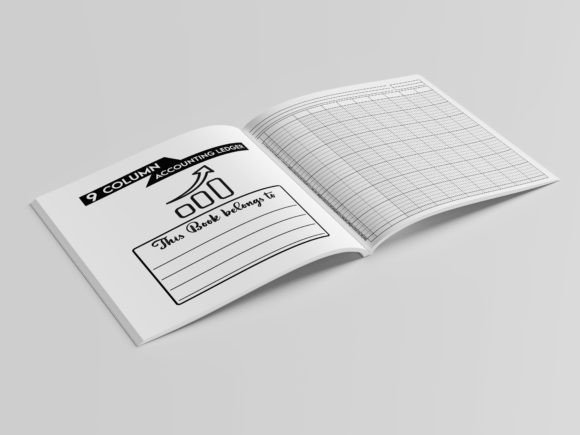
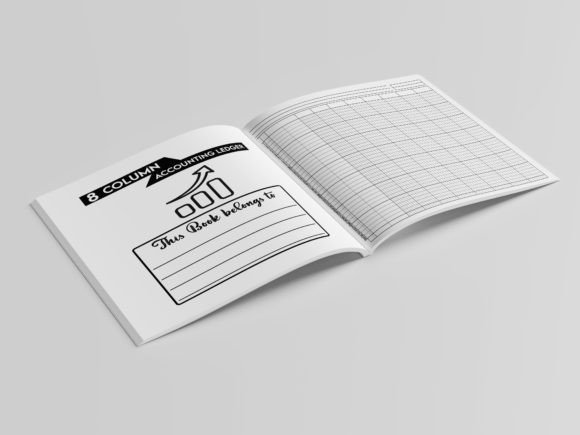
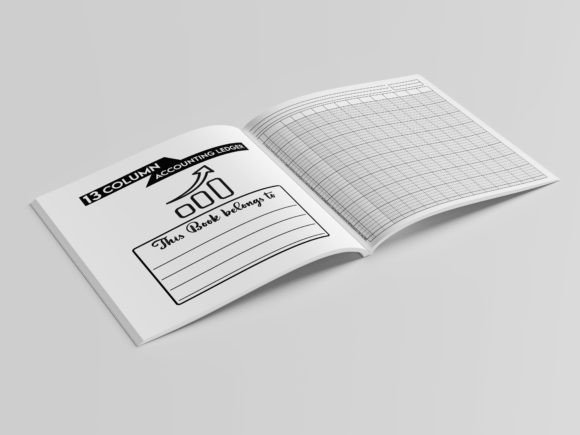
A 13 column accounting ledger book is, at its core, a pre-formatted paper tool. Each page is typically divided into thirteen distinct vertical columns. These columns are designed to capture the essential components of a financial transaction in a systematic way. Common columns include Date, Description, Invoice Number, Account Code, and then a series of columns for Debits and Credits across various categories (like Cash, Accounts Receivable, Sales, Expenses), often culminating in a Balance column. This layout forces a one-line-per-entry methodology that aligns with classic accounting principles.
What makes this format distinct from a generic notebook or a simple income/expense tracker is its inherent capacity for account segregation. It allows the user to see the simultaneous impact of a single transaction on multiple accounts. For example, a sale on credit would affect both the Sales revenue account and the Accounts Receivable asset account instantly, recorded on one line. This structure supports the integrity of the accounting equation (Assets = Liabilities + Equity) by design, making it a physical manifestation of double-entry bookkeeping.
Comparing Formats: Physical Ledgers, Digital Tools, and Simpler Alternatives
When evaluating recording methods, the 13 column ledger book sits within a spectrum of options. Its primary comparison points are against digital spreadsheet software (like Excel or Google Sheets), dedicated accounting software (from simple apps to platforms like QuickBooks), and other physical book formats.
Compared to a blank spreadsheet, the ledger book offers a predefined template. This eliminates the need for a user to design their own layout, which can be a significant advantage for those less confident in accounting structure. The physical book also provides a tangible, central record that doesn't rely on electricity, software updates, or digital file management. However, it lacks the computational power of a spreadsheet. Calculations for totals, running balances, or reports must be done manually, whereas a spreadsheet can automate these tasks.
Against full-featured accounting software, the 13 column accounting ledger book is fundamentally manual. Software automates posting, generates instant reports, and can link to banking data. The ledger book requires careful handwriting and manual arithmetic. For a very small business with low transaction volume, this manual process can be a cost-effective and straightforward solution that builds a deep, hands-on understanding of one's finances. For a growing business with numerous daily transactions, the manual effort quickly becomes impractical, and software becomes the more efficient choice.
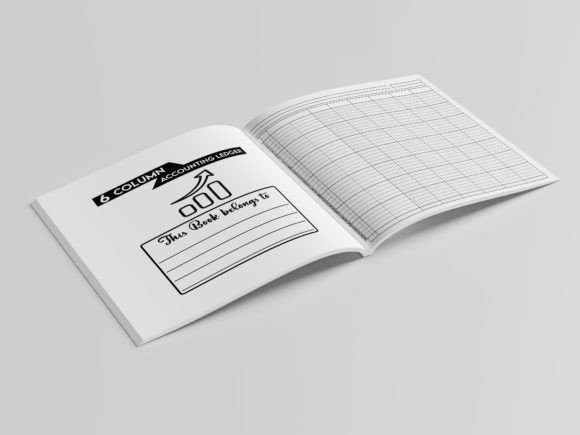
Other physical alternatives include ledger books with fewer columns (like 3-column or 6-column cash books), which are simpler but less capable of handling full double-entry accounting. These might suit pure cash-based tracking. The 13-column format is specifically for those who need or wish to practice more comprehensive bookkeeping on paper.
Key Strengths and Situational Fit
The strengths of a 13 column accounting ledger book are clear in specific contexts. Its high-quality print-ready design, when well-produced, offers durability and a professional feel. For educational purposes, it is an excellent tool for students learning accounting principles, as the manual entry reinforces how transactions interconnect. Small service-based businesses or sole proprietors with a modest number of monthly invoices and expenses may find it a perfect, low-tech central ledger. It also serves as an invaluable offline backup or supplementary record for those who primarily use digital tools but want a physical audit trail.
The inclusion of ready-to-upload work files—such as PDF, PPTX, JPEG, and PNG source files—for customization addresses a modern hybrid need. It allows a user to leverage the classic structure digitally. They can print their own modified versions, use pages as design references for digital templates, or create promotional materials. This bridges the gap between the physical tradition and digital utility.
Trade-offs and Limitations to Consider
Choosing a 13 column ledger book involves accepting certain trade-offs. The most significant is the time commitment. Every entry is handwritten, and all column totals must be calculated manually, which increases the risk of arithmetic errors. There is no automatic error checking or alert for unbalanced entries. The fixed page count—often 120 pages in a common size like 8.25 x 6 inches—means it is a finite resource; once filled, you must start a new volume, and historical data lookup requires flipping through past books.
The physical format also lacks collaboration features. Unlike a cloud-based spreadsheet, it cannot be easily shared or accessed by a remote bookkeeper or partner simultaneously. Data analysis is limited; generating a profit & loss statement or filtering expenses by category requires manually reviewing and tallying entries from many pages. For anyone requiring frequent, complex reporting, this is a major limitation.
When It Is the Right Choice, and When to Look Elsewhere
A 13 column accounting ledger book may be the right choice when your priorities include simplicity of format, low initial cost, tactile record-keeping, and a desire to build a fundamental understanding of your accounts. It fits well for micro-businesses, freelancers, hobbyists turning into businesses, or as a supplementary tax-season ledger. If you value having a non-digital, permanent record that is not subject to file corruption or platform changes, this ledger serves that purpose admirably.
You likely need another option if your transaction volume is high (more than a few entries per day), you require detailed, automated financial reports regularly, you need multi-user access, or you have little time for manual bookkeeping. In these cases, investing in accounting software, even a basic version, will save time and reduce error potential. Similarly, if your operations are purely cash-based and simple, a less detailed income/expense notebook or a simple spreadsheet might suffice without the complexity of the 13-column structure.
Evaluating Practical Features and Customization Potential
When assessing a specific 13 column accounting ledger book product, practical features matter. The size of 8.25 x 6 inches is portable, fitting easily on a desk or in a bag, but ensure the column width is sufficient for your handwriting. A 120-page count offers a substantial recording period; calculate if this aligns with your expected transaction frequency. The mention of "No Bleed" in specifications indicates the design is safe for printing without requiring specialized trim, which is important for self-publishers or those using the source files.
The provision of work files (PDF, PPTX, JPEG, PNG) is a significant value-add for a certain audience. It transforms the product from a static book into a adaptable template system. A user can modify column headers, add a company logo, adjust fonts, or create a branded cover for their own printed version. This is particularly relevant for professionals, such as bookkeepers or consultants, who might want to produce customized ledger books for their clients. It also allows for digital use: pages can be inserted into document software or used as reference images for creating digital forms.
Making an Informed Decision for Your Needs
The decision to use a 13 column accounting ledger book ultimately hinges on your workflow preferences, the scale of your financial activity, and your comfort with manual processes. Consider your long-term needs: will the manual system scale with you? Evaluate the learning aspect: are you willing to learn the proper way to fill the columns to maintain accurate books? Also, think about integration: if you eventually move to software, can this ledger serve as a reliable source for initial data entry?
For those comparing options, a balanced approach might involve using a 13 column ledger book for a core master ledger while using simpler digital tools for daily cash tracking or invoice generation. The physical ledger becomes the official, periodic posting destination. This hybrid method leverages the structure of the ledger book while mitigating some of the daily time burden.
In essence, the 13 column accounting ledger book is a specialized tool with a clear lineage and specific utility. Its value is not universal but situational. For the right user—one who seeks structure, tangibility, and a deep engagement with their financial data—it remains an effective and reliable choice. For others, it may represent a useful stepping stone or a customizable template resource rather than a primary system. By understanding its distinct design, comparing it to the digital ecosystem, and honestly assessing your own requirements, you can determine whether this classic format fits into your modern financial management practice.