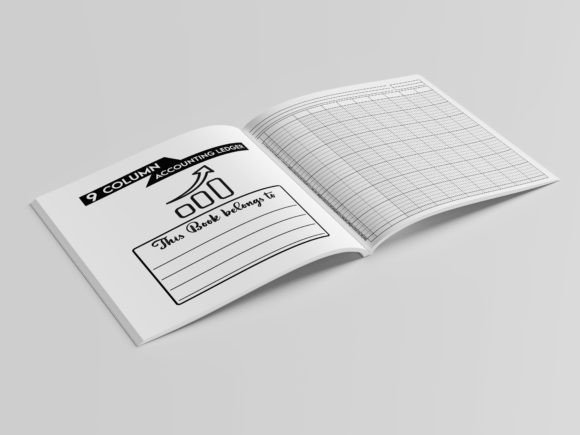
The 9 Column Accounting Ledger Book: A Practical Guide for Financial Recording
For individuals and small businesses, maintaining accurate and organized financial records is a cornerstone of success. While digital accounting software is prevalent, many still rely on the tangible clarity and reliability of physical ledger books. Among these, the 9 Column Accounting Ledger Book represents a specific and versatile tool designed for detailed transaction tracking. This article explores its purpose, applications, and considerations to help you determine if it aligns with your bookkeeping needs.
Understanding the 9 Column Accounting Ledger Book
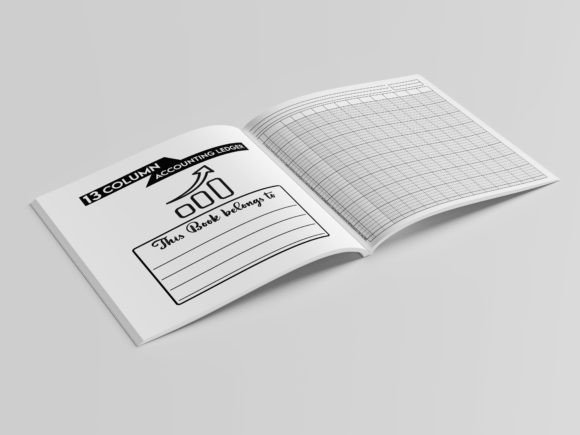
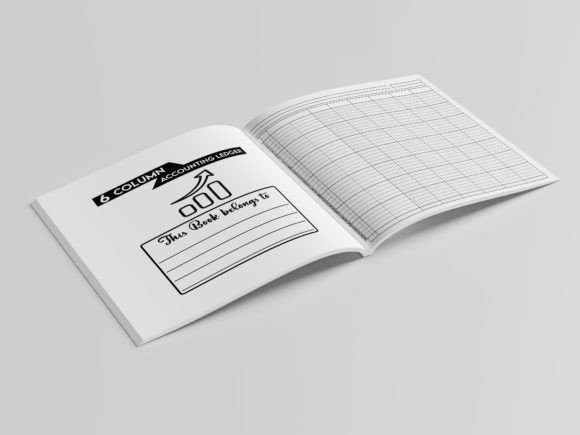
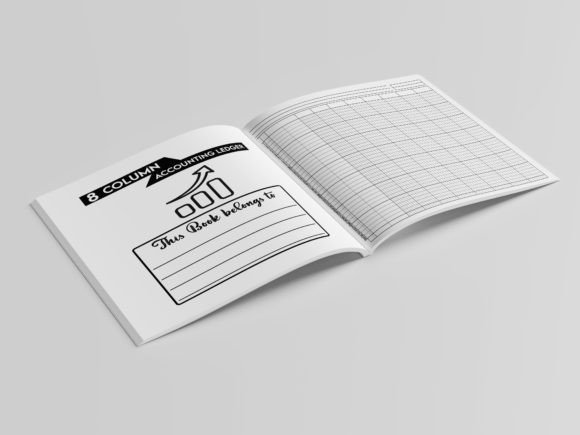
A 9 Column Accounting Ledger Book is a pre-formatted paper book used to manually record financial transactions. The "9 column" structure typically refers to a layout that provides nine distinct fields for entering data per row. Commonly, these columns include Date, Description, Reference (like invoice number), and then multiple debit and credit columns for different accounts or categories. This format allows for a more detailed breakdown of a single transaction compared to simpler ledger sheets. It is a foundational tool for double-entry bookkeeping, where every entry requires both a debit and a credit to maintain the balance of the accounting equation.
Reasons for Interest in a Physical Ledger System
There are several compelling reasons why someone might seek out a 9 Column Accounting Ledger Book. Primarily, it appeals to those who value a hands-on, offline approach to finance. Small business owners, freelance professionals, club treasurers, or even individuals managing complex personal finances often prefer the concrete nature of pen-and-paper bookkeeping. It offers a permanent, unalterable record that is not dependent on software updates, subscription fees, or digital security concerns. Furthermore, the process of manually writing entries can reinforce understanding of accounting principles and provide a heightened sense of control and oversight over every transaction.
Key Benefits and Practical Applications
The structured layout of a 9 Column Accounting Ledger Book promotes consistency and reduces errors. By forcing a standardized entry format, it ensures all necessary details—date, description, and financial impact across accounts—are captured. This is particularly beneficial for tracking transactions across multiple income streams, expense categories, or projects within a single entity. For example, a small retailer might use separate columns to track sales revenue, inventory purchases, and utility expenses simultaneously within one entry. This makes the ledger a strong fit for cash-based businesses, non-profit organizations managing grants and donations, or service-based freelancers needing clear client and expense tracking.
The physical book also serves as a central, chronological archive. At the end of a reporting period, the totaled columns provide a clear snapshot for creating financial statements like an income statement or balance sheet. The act of manually totaling columns can also serve as a valuable internal audit, making discrepancies more noticeable.
Important Considerations and Tradeoffs
While a 9 Column Accounting Ledger Book offers clarity and tangibility, it is essential to consider its tradeoffs against digital alternatives. The most significant consideration is time. Manual entry is inherently slower than automated digital entry and lacks features like automatic calculations, instant reporting, or integration with banking data. Reconciliation and generating reports require manual summation of columns, which increases the workload and potential for human error in calculation.
The physical format also limits accessibility and collaboration. The book exists in one place, unlike cloud-based software accessible from anywhere. Sharing data with an accountant or partner requires photocopying or scanning pages. Furthermore, if the ledger is lost or damaged, the records may be irrecoverable, underscoring the need for careful storage and possibly supplemental digital backups of the finalized data.
Capacity and Customization
When selecting a ledger book, specifications like size and page count matter. A book sized at 8.25 x 6 inches is portable yet offers ample writing space. A 120-page count provides substantial capacity for a year or more of records for a moderate volume of transactions. The "No Bleed" specification indicates the pages are designed for standard pens without ink soaking through, ensuring clean, readable pages. For those wanting to create their own branded or slightly modified ledger, access to source files (like PDF, PPTX, JPEG, and PNG) allows for customization before printing, offering a path to a truly unique book tailored to specific column headings or branding needs.
Situations Where Alternatives May Be Worth Considering
The 9 Column Accounting Ledger Book is a powerful tool, but it may not be the optimal solution for every scenario. Businesses with a very high volume of daily transactions, such as busy restaurants or retail stores, might find the manual process too cumbersome and slow. Entities requiring real-time financial insights, multi-user access, or complex inventory management would likely benefit more from dedicated accounting software.
Similarly, if your primary need is simple expense tracking without the requirement for full double-entry bookkeeping, a simpler single-column cash book or even a digital spreadsheet might suffice and be more efficient. The decision hinges on your transaction volume, your need for reporting detail, your comfort with manual processes, and whether the educational and tangible benefits outweigh the efficiency of automation.
Making an Informed Decision
To determine if a 9 Column Accounting Ledger Book aligns with your goals, start by evaluating your core needs. Ask yourself: What is the volume and complexity of my transactions? Do I need to track multiple accounts (e.g., several bank accounts, specific expense types) per transaction? Is my priority having a permanent, offline physical record? Am I comfortable with, or even prefer, manual calculation and periodic summarization?
If your answers lean towards moderate transaction volume, a need for detailed categorical breakdowns, and a preference for tangible records, this ledger book could be an excellent fit. It serves as both a practical recording tool and an educational instrument for deepening your understanding of accounting flows. However, if speed, automation, collaboration, and advanced reporting are your top priorities, investing time in researching suitable accounting software would be a more prudent path. Ultimately, the choice between a physical 9 Column Accounting Ledger Book and digital tools is not just about function, but about which method best supports your workflow, your learning style, and your sense of financial control.