The Perfect Blend: Unpacking the Sudoku Maze Puzzle Experience
In the world of puzzles and brain games, we often think in categories. Logic puzzles like Sudoku exist in one box, requiring methodical deduction and number placement. Pathfinding puzzles like mazes occupy another, demanding visual-spatial navigation and route planning. But what happens when these two classic forms converge? The result is a uniquely engaging mental challenge: the Sudoku Maze Puzzle. This innovative puzzle format, especially as presented in dedicated puzzle book interiors like the "40 Sudoku Practice Medium Puzzle with Solutions," offers more than just entertainment. It represents a holistic cognitive workout designed to sharpen multiple facets of your thinking.
What Exactly is a Sudoku Maze Puzzle?
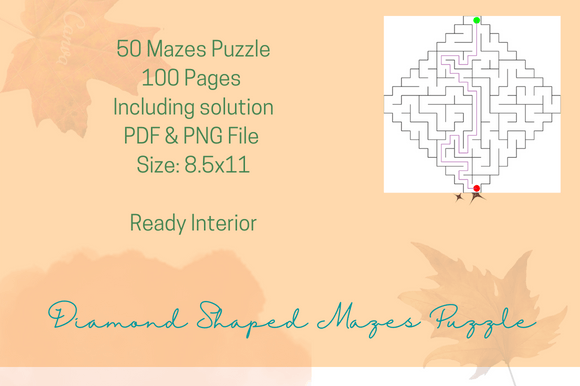
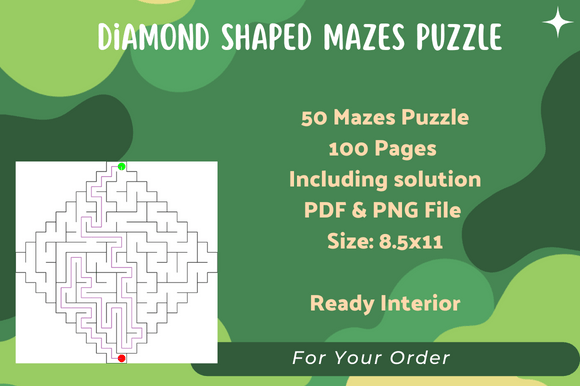
Let's start from the ground up. A Sudoku Maze Puzzle is a hybrid puzzle that integrates the core rules of a traditional Sudoku grid with the objective of a maze. Typically, you are presented with a standard 9x9 Sudoku grid, but within this grid, a maze path is embedded. Your primary task remains to solve the Sudoku puzzle—ensuring each row, each column, and each 3x3 sub-grid contains all digits from 1 to 9 without repetition. However, the twist is that the correct, solved Sudoku grid reveals or defines the valid pathway through the maze. The numbers you place become the "walls" or the "open corridors" of the maze. Solving the logic puzzle correctly is the only way to successfully navigate the path from start to finish.
The Dual Purpose: Logic and Visualization
The significance of this design is its dual-purpose demand on the solver. First, it engages the logical, sequential, and deductive reasoning skills paramount to Sudoku. You must analyze possibilities, employ strategies like scanning, cross-hatching, and candidate elimination. Second, once the grid is populated, it immediately tests your visual-spatial intelligence and pattern recognition as you trace the maze path through the completed number arrangement. This isn't two separate puzzles stapled together; it's a single, cohesive challenge where success in one domain unlocks and validates success in the other.
The Practical Relevance: Why This Puzzle Format Matters
Beyond being a novel pastime, Sudoku Maze Puzzles hold considerable practical relevance for cognitive health and skill development. In our modern life, where tasks often require switching between analytical thinking and visual problem-solving—such as interpreting data charts, navigating software interfaces, or planning physical layouts—this puzzle mimics that cognitive flexibility. It trains the brain to not just specialize in one type of thinking, but to fluidly integrate different modes of thought.
For work and business professionals, the skills honed here—meticulous attention to detail, systematic problem-solving, and the ability to see the "big picture" pathway after dealing with granular data—are directly transferable. In education, such puzzles serve as excellent tools for teaching logical reasoning and spatial awareness in an interactive, self-correcting way (since an incorrect Sudoku solution will lead to an impassable maze). They support learning by making abstract logic tangible through a visual outcome.
Clarifying a Common Misunderstanding
A common assumption is that these puzzles are simply a Sudoku with a maze drawn over it, implying you could solve each part independently. This is not the case. The maze's structure is inherently dependent on the final, correct number placement. An incorrectly placed digit might create a false wall, blocking the only true path. Therefore, the maze acts as an intrinsic verification mechanism for your Sudoku solution. This interdependence is the core innovation, ensuring that the puzzle provides a built-in check on your accuracy and a rewarding visual payoff for correct logic.
Inside a Ready-to-Publish Puzzle Book Interior
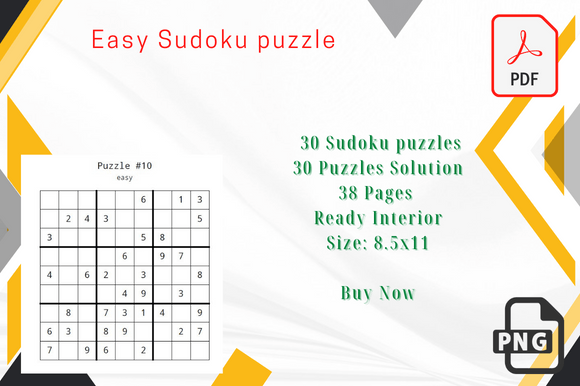
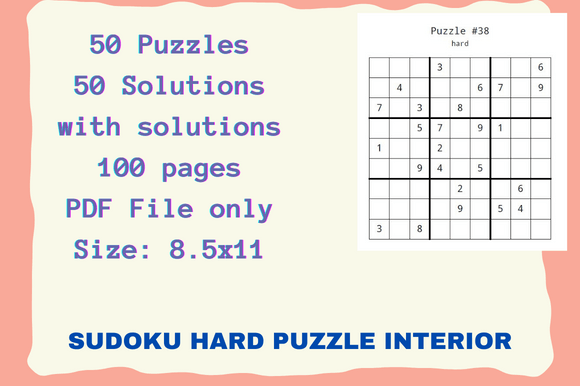
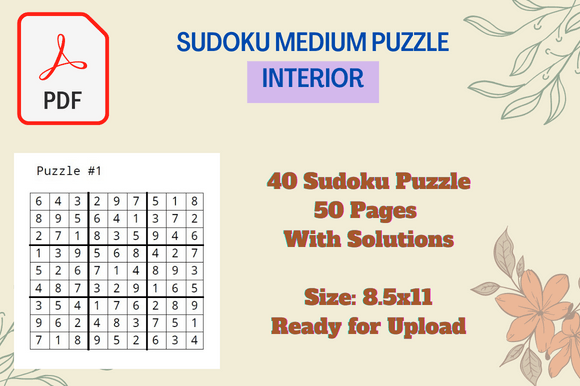
Products like the described "KDP Interior" – featuring 40 medium puzzles, solutions, and formatted as a 50-page, 8.5"x11" PDF – are crafted for both puzzle enthusiasts and self-publishing creators. Let's explore what makes such an interior specifically valuable.
Structure and User Experience
- One Puzzle Per Page: This layout is crucial for clarity and focus. It gives the solver ample white space around the grid, reducing visual clutter and allowing for easy annotation or note-taking if desired.
- Medium Difficulty Level: Targeting a "medium" difficulty makes the book accessible to a wide audience, from beginners who have mastered basic Sudoku to veterans looking for a new twist. It provides a satisfying challenge without being discouragingly complex.
- Included Solutions: The inclusion of a dedicated solutions section is essential. It serves as a learning tool. After attempting a puzzle, one can compare their solved grid and traced maze path to the official answer, understanding where logic may have faltered.
- Professional Formatting: The PDF format, with clean lines, consistent fonts, and proper margins, ensures a professional look whether used for personal printing or direct upload to platforms like Amazon KDP (Kindle Direct Publishing). This ready-to-upload aspect saves creators immense time in design and layout.
The Broader Benefits: Cognitive and Creative Gains
Engaging regularly with Sudoku Maze Puzzles can contribute to a broader cognitive skill set. Here’s how:
- Enhanced Working Memory: Holding possible number candidates in your mind while simultaneously visualizing maze progressions strengthens working memory capacity.
- Improved Concentration: The task requires sustained, deep focus to manage two intertwined objectives, training the brain to resist distraction.
- Boosted Pattern Recognition: You learn to see numerical patterns (like number chains in Sudoku) and spatial patterns (the emerging maze route) concurrently.
- Stress Relief and Mindfulness: The immersive nature of such a puzzle can act as a form of active meditation, diverting mental energy into a structured, rewarding activity, which is highly relevant in our daily activities for managing mental well-being.
Fitting into Technology and Creativity
While the puzzle book interior discussed is a paper-based product, the concept thrives in the digital space as well. Puzzle apps and software can dynamically generate Sudoku Mazes, offering infinite variations. For creators, understanding this puzzle type opens doors for designing their own variants, perhaps using different grid sizes, symbols instead of numbers, or even color-coded paths. It blends the creativity of game design with the rigor of logical structure.
Conclusion: A Puzzle for the Integrated Mind
Sudoku Maze Puzzles, especially when packaged in a well-designed, practice-ready book interior with 40 challenges and solutions, offer far more than a simple diversion. They are a testament to how combining classic intellectual games can produce a richer, more comprehensive mental exercise. They teach us that logic and intuition, analysis and visualization, are not opposing forces but complementary partners in effective problem-solving. Whether you are a puzzle lover seeking a fresh challenge, an educator looking for engaging tools, or a KDP creator wanting to publish quality content, this puzzle format stands out as both deeply helpful and inherently fascinating. By starting with the fundamental rules and building up to seeing the completed maze path emerge from your own correct deductions, you gain a unique sense of accomplishment—proof that following a logical path truly leads you to the exit.